Name «Liuba»

Images with name

З Днем Народження, Любо!

Characters from literary works

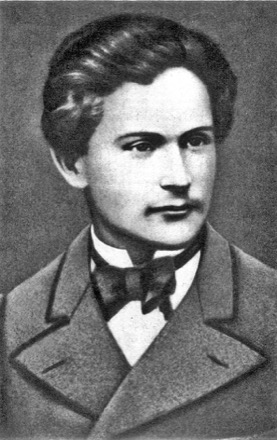
Ivan Franko
Ivan Franko
1856–1916
  • Фарбований лис
    Character Люба
  • Гріє сонечко! Усміхається небо яснеє
    Character Люба
  • Захар Беркут
    Character Люба
  • Грiє сонечко
    Character Люба
  • Пригоди Дон Кіхота Written in 1891
    Character Люба
  • Лис Микита Written in 1890
    Character Люба
  • Захар Беркут Written in 1883
    Character Люба
  • Маніпулянтка Written in 1881
    Character Люба
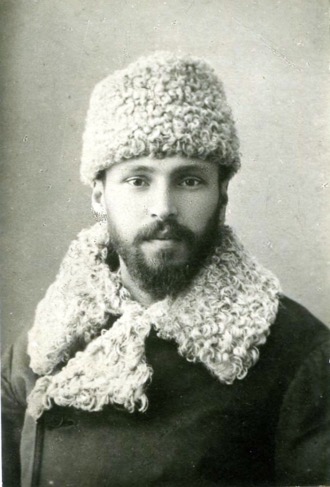
Mykhailo Kotsiubynsky
1864–1913
  • Для загального добра Written in 1895
    Character Люба
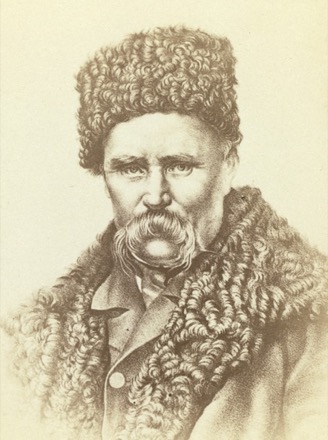
Taras Shevchenko
Taras Shevchenko
1814–1861
  • Не для людей, тієї слави
    Character Люба
  • Москалева криниця (перша редакція)
    Character Люба
  • Наймичка 2
    Character Люба
  • Меж скалами, неначе злодій
    Character Люба
  • Мар`яна-черниця
    Character Люба
  • Катерина
    Character Люба
  • Зацвіла в долині ... 2
    Character Люба
  • Зацвіла в долині
    Character Люба

Liuba

Diagram popularity of the name Liuba in the country

  • Close to 0.07% women has a name Liuba
  • Up to 0 bearers of the name in Ukraine
  • In 1965 the most were named girls with name Liuba
  • Popularity is gradually increasing

Angel day

Dictionary meaning

This is the most popular name among modern Ukrainian women, derived from the Slavic anthroponymic root "Lyub-" or from the adjective "lyubyi," which means "dear, beloved." This name shares a semantic community with the Latin-origin name "Charitas" and the Greek-origin name "Kharitia." It is not surprising that many Slavic peoples have the name "Liuba" or "Kharitia" in their lexicon. For example, Ukrainians have used this name for at least since the 17th century. This name is also recorded among Serbs since the 12th century and among Slovenes since the 9th century. "Liuba" (but not "Lyubov") is the most common variant of this name in all Slavic languages. Variants "Liubava," "Liubav," and "Liubomyla" are mentioned in colloquial use. The name "Liuba" is also a shortened form of the names "Liubica" or "Liubyka" in the Bulgarian language, expressing the parents' desire to see their child as loved by all. In the Serbian language, "Liuba" may be derived from the names "Lubimira" or "Lubisava." The Croatian name "Ljuba" may originate from the indeclinable adjective "ljub," meaning "dear, beloved." Ukrainian dictionaries of personal names only provide the name Liuba in the Index of diminutive forms associated with full names such as Liubava, Lyubov, Lyubina, Liubomyla, Liubomira, while L. Beley lists it with a reference mark to the normative names Liubava and Lyubov. In our opinion, the Slavic, including Ukrainian, female name Liuba originates from the ancient male name Lyub, which has already been attested in 1205 as the name of a Galician-Volhynian boyar or from the male name Liubo, which is still used among South Slavs. Therefore, the female name Liuba is genetically and functionally a direct counterpart of the male name Lyub. Meanwhile, from the female personal name Liuba, patronyms began to form as early as the 16th century. For example, in 1549: village of Kr. Lyubycz - {village} Krachunovo; in 1550: serf Andr. Lubycz.

Gender

Female

Match perfectly with patronymic :

Images with name

З Днем Народження, Любо!